




Mataram Duplicates Tempah Dedoro System For Local Schools
- Editor Sri Wahyuni
- 18 Jan 2026
- Voice of Indonesia
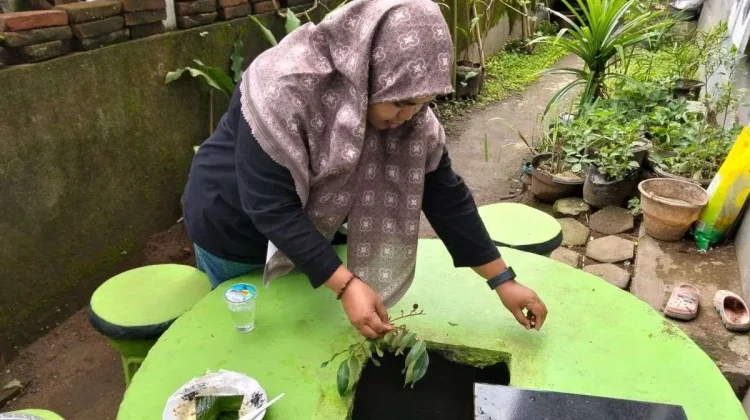
RRI.CO.ID, Jakarta - A specialized organic waste processing system known as
tempah dedoro is set for a massive rollout in Mataram schools, West Nusa Tenggara (NTB), as part of a city-wide effort to manage waste independently.Head of the Environmental Affairs Agency Nizar Denny Cahyadi confirmed on Sunday, January 18, 2026, that the system uses concrete rings and EM4 liquid to accelerate decomposition and eliminate odors.
This initiative was launched to manage waste at its source, ensuring that educational institutions can transform organic scraps into natural compost rather than sending them to overfilled disposal sites.
"For schools under the Mataram City Education Agency, Alhamdulillah, it has been running well at both elementary and secondary school levels," Denny said, as quoted by
Antara.This program follows a direct instruction from the Mayor of Mataram, which requires offices, hotels, restaurants, caterers, and schools to manage their waste independently.
The
tempah dedoro system utilizes concrete rings equipped with covers and specialized holes for depositing organic waste. This setup allows schools to process organic materials independently within their premises and even provide waste solutions for nearby residents.To eliminate odors from food scraps and organic waste, the mixture is sprayed with EM4 liquid, which also serves to accelerate the decomposition process. Alternatively, leftover rice-washing water, which is easily accessible, can be used as a natural decomposition agent.
"After the organic waste decomposes, schools can harvest compost as a natural fertilizer for the plants in the schoolyard," he explained.
Beyond schools, various government offices under the Mataram City Administration as well as businesses in the hospitality and catering sectors, have already begun implementing similar methods.
If the
tempah dedoro program is executed on a massive scale, Mataram can potentially manage its daily waste volume of 250 tons, of which 60 percent is organic material. The remaining 40 percent, consisting of inorganic waste like plastic bags, can be diverted to the Sandubaya Integrated Waste Treatment Plant (TPST) to be processed into paving blocks.Waste such as used plastic water bottles can be redirected to the Kebon Talo Temporary Shelter (TPS). “As a result, only non‑processable residue will be sent to the Kebon Kongok Final Disposal Site (TPA) in West Lombok,” he concluded.***